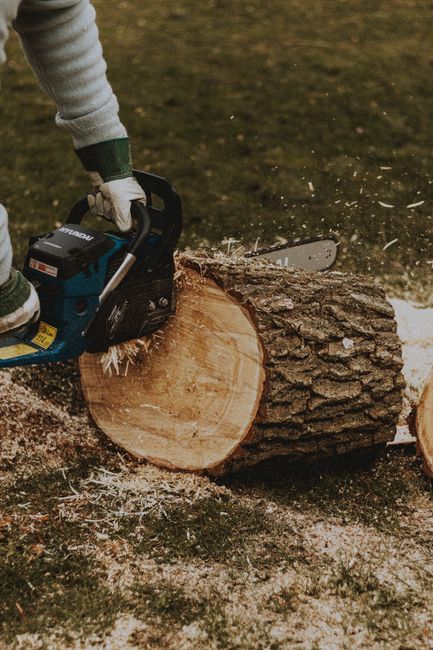
Emergency tree removal Yiewsley gardeners urgent call outs
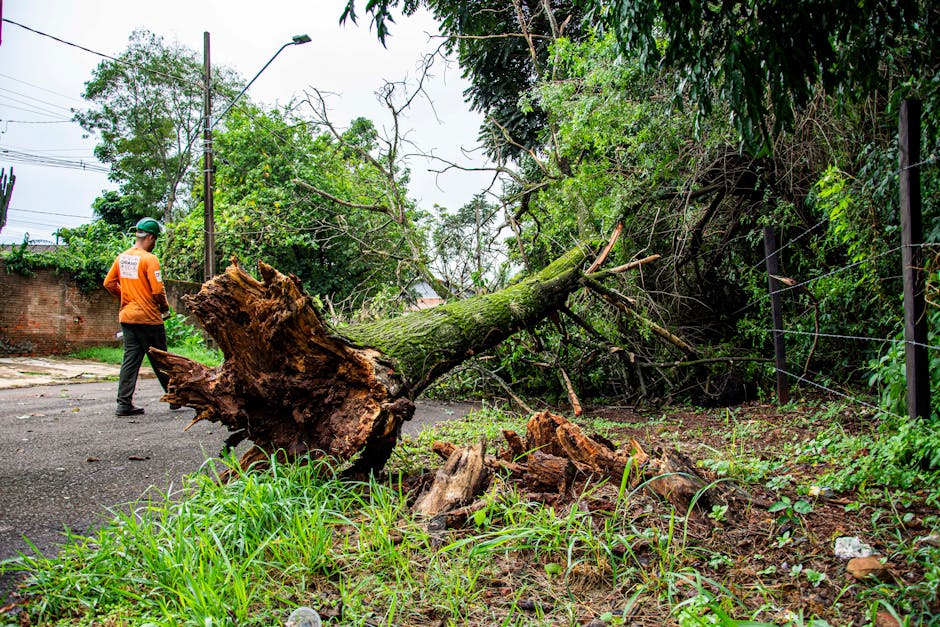
When a tree suddenly becomes dangerous, you do not have time for guesswork. A cracked stem, a leaning trunk after heavy rain, or a large branch resting on a roof can turn a normal garden into a live safety problem very quickly. That is where Emergency tree removal Yiewsley gardeners urgent call outs come in: fast, practical help designed to reduce risk, clear the hazard, and get your outdoor space back under control without unnecessary delay.
This guide explains what urgent tree removal actually involves, how a responsive gardening team handles it, when you should call, and what to expect from start to finish. It also covers safety checks, common mistakes, and the small details that matter when time is tight. To be fair, when a tree is half-down and the wind is still moving through the branches, the priority is not a perfect garden. It is safety. Then calm. Then a proper tidy-up.
Quick practical summary: if a tree is threatening a building, blocking access, dropping limbs, or showing signs of sudden failure, treat it as urgent. Keep people clear, avoid standing under the canopy, and arrange professional assessment as soon as possible.
- Why urgent tree removal matters
- How the emergency removal process works
- Key benefits and practical advantages
- Who needs this service and when it makes sense
- Step-by-step guidance
- Expert tips for better results
- Common mistakes to avoid
- Tools, resources and recommendations
- Law, compliance, standards and best practice
- Options and comparison table
- Case study or real-world example
- Practical checklist
- Conclusion
- Frequently asked questions
Why Emergency tree removal Yiewsley gardeners urgent call outs Matters
Urgent tree work matters because tree failures are rarely tidy. A tree may look stable from the pavement, yet be split internally, root-heaved, or overloaded on one side. Once failure begins, it can happen fast. A branch can snap in a gust. A trunk can twist. A root plate can lift after rain-softened ground gives way. The garden suddenly stops being a garden and becomes a risk zone.
In Yiewsley, where homes, fences, garages, parked cars and narrow access routes can sit close together, even a modest-sized tree can create a surprisingly big problem. Emergency tree removal is not just about cutting something down. It is about making a judgement call under pressure: what is unsafe right now, what can wait, and how to remove the danger without causing extra damage on the way through.
That judgement matters because the wrong approach can make matters worse. A heavy limb dropped without planning may strike a roof or block the only access to a property. A rushed cut near power lines is a different level of danger entirely. And if a tree is storm-damaged, unstable wood can behave in odd ways. It can bind, shift, or tear unexpectedly. Not dramatic for the sake of it, just real life.
The best urgent call-outs combine speed with caution. A good team will look at the whole scene, not just the tree. They will think about people, pets, boundaries, sheds, glass, overhead services, and escape routes. That wider view is what makes emergency work genuinely useful.
If the immediate issue is part of a larger garden clean-up, a service such as garden clearance can help afterwards, once the site is safe. For longer-term care, regular garden maintenance also reduces the chance of overgrown or weakened trees becoming urgent in the first place.
How Emergency tree removal Yiewsley gardeners urgent call outs Works
Emergency call-outs usually follow a tighter, more focused process than routine tree work. The aim is to assess quickly, stabilise risk, and remove or make safe the tree or branch as efficiently as possible. It is not about overcomplicating things. It is about doing the right things first.
Here is the general flow you can expect:
- Initial contact and hazard description. You explain what has happened, where the tree is, and whether anything is damaged or blocked.
- Immediate safety questions. The team may ask whether the tree is touching a building, lying across a path, blocking a driveway, or near power cables.
- Urgency assessment. They decide whether the issue needs same-day attendance, a controlled urgent visit, or a rapid but non-emergency slot.
- On-site inspection. The tree, access, surrounding structures and safe working area are checked.
- Risk control. The team secures the area, plans the cut sequence, and chooses the safest method.
- Removal or dismantling. Depending on the situation, the tree may be felled in sections, reduced, or cleared from the ground up.
- Waste handling and tidy-up. Brash, timber and debris are removed or stacked for later collection in line with the agreed service.
In some emergencies, the work is a full removal. In others, it is a partial reduction, limb removal, or temporary make-safe until a fuller job can be scheduled. That flexibility is a good sign. It means the team is responding to the actual risk, not forcing every issue into the same box.
When the tree is part of a bigger landscaping plan, it may be worth looking at broader services like landscaping or landscape gardening once the emergency has passed. But first things first. Safety, always.
Key Benefits and Practical Advantages
People usually call for emergency tree removal because they need a problem solved fast. Fair enough. But there are several deeper benefits that are easy to miss when you are understandably stressed.
- Reduced danger to people and property. The most obvious advantage, and the one that matters most.
- Less chance of the situation worsening. A partially fallen tree can shift with wind or vibration. Quick action helps stop that chain reaction.
- Better protection for roofs, fences and vehicles. Time matters when branches are pressing on structures.
- Clear access to the home or garden. A blocked path or driveway can be more than inconvenient if someone needs to leave quickly.
- Less stress for the homeowner. Honestly, that counts. Knowing someone competent is handling it makes a real difference.
- Cleaner recovery after the incident. Emergency work often includes removal of debris, which helps you move from crisis mode to normal life.
There is also a financial advantage, even if it is not immediate. Acting early can prevent secondary damage. A tree leaning into a gutter today can become a roof repair tomorrow. A split limb left hanging can turn a manageable job into a much bigger one. Not every urgent call saves money, but many do save worse costs later. That is the honest version.
Key takeaway: fast response is not only about speed. It is about stopping a small failure from becoming a bigger, messier, more expensive problem.
Who This Is For and When It Makes Sense
This kind of service is for anyone facing an immediate tree-related hazard. You do not need to be sure about the technical cause before asking for help. If it looks wrong, feels unsafe, or has changed suddenly after weather or impact, that is enough reason to get advice.
Typical situations include:
- a tree leaning more than usual after a storm or saturated ground
- large limbs hanging loose or visibly split
- a trunk cracked near the base or along the main stem
- roots lifting, soil cracking, or a root plate starting to move
- a tree fallen across a garden path, driveway or fence
- branches resting on a shed, conservatory, garage or roof
- a tree or limb blocking access for residents, deliveries or emergency services
- visible decay, hollowness or sudden canopy dieback after a recent change
It also makes sense for landlords, managing agents, and business owners responsible for outdoor areas. If the site is used by tenants, customers or staff, a delay can become a bigger duty-of-care issue very quickly. In those cases, responding promptly is not just sensible. It is part of being responsible.
For properties with surrounding gardens that are now cluttered by fallen timber, broken branches or storm debris, a follow-up visit through garden clearance can restore order once the main hazard is gone.
And if the issue is not quite emergency-level but clearly heading that way, a professional service can often advise whether immediate removal is necessary or whether a controlled reduction will do. That second opinion can be very reassuring, especially when the tree has sentimental value.
Step-by-Step Guidance
If you are dealing with a dangerous tree right now, keep the process simple. Do not wander into the area to take a closer look. Do not stand under loose branches. And if the ground is slippery, treat it like it is slippery, because it probably is. Here is a practical way to handle it.
- Move people and pets away. Keep children, visitors and animals clear of the area immediately.
- Look from a safe distance. Check whether the tree is touching a building, cable, vehicle, fence or access route.
- Note the change. Has it fallen after wind, rain, impact, or visible cracking? That detail helps the team respond faster.
- Avoid DIY cuts. Even small-looking branches can shift under tension. The phrase "it looks easy enough" has led to more trouble than it should.
- Contact a professional urgently. Explain the location, extent of the damage, and any immediate risks.
- Follow the site advice given. If you are told to keep clear until attendance, do that. It is not overcautious.
- Allow the team to assess access. They may need to use ladders, rigging, sectional dismantling methods or stump-related equipment.
- Request a tidy-up plan. Ask what will be removed on the day and what, if anything, will remain for later work.
- Decide on follow-on care. Once safe, consider whether hedges, lawns or damaged borders also need attention.
A practical little point: if the weather has just turned after dark, take a few photos from a safe place if you can do so without going near the hazard. That is often useful for explaining the situation later, especially if you need to arrange follow-up work in daylight.
For routine care after the emergency, services such as hedge trimming and lawn mowing can help bring the rest of the garden back into shape once the immediate danger has been dealt with.
Expert Tips for Better Results
The best emergency jobs are rarely the flashiest ones. They are the ones planned well at the edges. That sounds dull, but it is exactly what prevents damage. A few seasoned habits make a real difference.
- Give clear information from the start. Mention the size of the tree, whether it is hung up, and if any structures are affected.
- Tell the team about access issues. Narrow side passages, locked gates, parked cars and steep steps all change how the job is handled.
- Keep the area as undisturbed as possible. People often mean well and move branches around. Sometimes that is the last thing you want.
- Ask what "safe" means in your case. A tree can be made safe without being fully removed, at least temporarily.
- Use the emergency visit to plan prevention. If one tree has failed, nearby trees may need inspection too.
- Think about aftermath, not just the cut. Waste handling, stump decisions, and boundary repairs matter more than people expect.
One of the quiet signs of a good service is that it asks sensible questions before it arrives. That is not delay. That is experience. It means fewer surprises on-site and a cleaner, safer outcome for you.
Another useful tip: if a tree is adjacent to a deck, patio or seating area, mention it. That can change how the work is staged. If the timber structure itself has been affected, you may also need advice from a team that handles decking services later on. Not always, but sometimes the whole space needs a bit of rebalancing after a fall.
Common Mistakes to Avoid
When something urgent happens, people often try to be useful. The instinct is understandable. But with trees, a few common actions can make the situation more dangerous.
- Trying to cut a strained branch yourself. Wood under tension can snap or spring back unexpectedly.
- Standing too close for a better look. Better to see less and stay safe.
- Assuming a leaning tree is always stable. A tree that looks "okay enough" can still fail under the next gust.
- Ignoring hidden damage. A split may not be obvious from one angle.
- Waiting for the weather to improve before acting. If it is already unsafe, the weather may be part of the reason to move sooner.
- Forgetting nearby hazards. Broken glass, loose fencing, cables and slippery mud are all part of the problem.
- Not asking what happens after removal. A clear site is good, but you may still need waste removal, stump advice or garden recovery.
Truth be told, most mistakes happen because someone is trying to be quick. Yet the quickest route is usually the safest one: step back, secure the area, call in the right people, and let them work methodically.
If you want a broader view of how different garden jobs fit together after an emergency, the services overview is a helpful place to understand the wider range of work a local gardening team may handle.
Tools, Resources and Recommendations
In emergency tree work, the right tools are only part of the story. Skill, judgement and safe setup matter just as much. Still, it helps to know what a capable team may use and why.
| Tool or resource | What it helps with | Why it matters in urgent work |
|---|---|---|
| Chainsaws | Controlled cutting of trunks and limbs | Used only with proper planning and safety controls |
| Rigging equipment | Lowering heavy sections safely | Reduces impact on roofs, fences and patios |
| Poles and access gear | Reaching awkward branches | Helps avoid unnecessary climbing or unsafe stretching |
| Protective equipment | Helmets, gloves, eye and hearing protection | Basic but essential on active sites |
| Waste removal vehicles | Clearing timber and brash | Keeps the site usable after the main hazard is gone |
| Site photos and notes | Recording the condition before work begins | Useful for planning and clear communication |
As a homeowner, your best "tool" is really preparation. A short note of what happened, a few safe photos, and clear access instructions can speed things up. That sounds almost too simple, but it works.
For related property-care services after the emergency, it may also help to review garden maintenance and recycling and sustainability if you want a cleaner, more responsible way to handle the debris and the follow-on work.
Expert summary: the safest emergency tree jobs are the ones where the danger is identified early, the site is kept clear, and the work is staged in a calm, controlled way. Speed matters, but control matters more.
Law, Compliance, Standards, or Best Practice
Tree work in the UK is one of those areas where common sense and proper procedure need to sit side by side. You do not need to become a legal expert before calling for help, but you should know the broad expectations.
In practical terms, professionals should work with appropriate risk assessment, safe access, correct use of equipment, and suitable insurance. If a tree is near overhead services, boundary lines, roads, or shared access routes, extra care is needed. If there is any doubt about who is responsible for a tree, that should be clarified early rather than assumed.
Planning considerations may also matter. Some trees are protected or subject to local controls, and emergency situations can still require careful handling rather than reckless cutting. That is why it is best to speak plainly about the condition of the tree and let the team judge the safest path. Emergency does not mean careless.
Best practice also means explaining what will happen after removal: whether the stump will be left, whether the timber will be taken away, and whether the area will be left safe but unfinished for later work. Clear expectations reduce disputes and, frankly, save everyone a headache.
If you want reassurance about service standards, it is worth understanding the business side too. Pages like insurance and safety, health and safety policy, payment and security, and terms and conditions can help show how a provider thinks about responsibility, transparency and customer protection.
Options, Methods, or Comparison Table
Not every urgent tree problem needs the same answer. Some need full removal. Some need pruning or sectional dismantling. Some need a temporary make-safe until conditions are better. Here is a simple comparison to make the choices easier to understand.
| Method | Best for | Advantages | Watch-outs |
|---|---|---|---|
| Full emergency removal | Severely unstable, fallen or dangerously split trees | Removes the hazard completely | May require more access, time and waste handling |
| Sectional dismantling | Trees near buildings, fences or tight spaces | Controlled and precise | Needs experienced planning and equipment |
| Urgent reduction | Branches or canopy weight creating risk, but trunk still sound enough | Can reduce pressure quickly | Not always a final solution |
| Make-safe only | Scenes where immediate danger needs stabilising before full work | Fast and protective | Usually followed by further work later |
The best option depends on the tree, the weather, the space around it and the level of immediate danger. A large, old tree in a back garden is very different from a smaller ornamental tree beside a driveway. Obvious enough, maybe, but it is still worth saying because rushed decisions can be costly.
And if the tree failure has left the wider space messy, a combination of garden clearance and longer-term landscape gardening can help restore both safety and appearance once the urgent work is complete.
Case Study or Real-World Example
Here is a realistic example based on the kind of situation people often face. A homeowner notices that one side of a mature tree has started leaning after several wet days. By late afternoon, a thick branch has split and is hanging over the patio. The garden furniture is still below it, which makes the risk feel a lot more immediate. You can almost hear the creak when the wind picks up.
They keep everyone out of the area, move the car away from the drive, and call for urgent help. The first step is a quick phone assessment: where is the tree, is it touching anything, and can the team get access safely? On arrival, the work is treated as an emergency but not rushed. The damaged branch is stabilised and removed in a controlled way, then the tree is checked for further splits.
Because the garden is now full of broken wood and scattered debris, a follow-up clear-up is arranged. The owners also ask about the adjacent hedge line, which had been damaged slightly when the branch fell. A separate hedge trimming visit later helps neaten the boundary and restore the space.
What did they do well? They acted early, kept clear of the hazard, and gave the team enough information to work properly. What would have made it worse? Trying to saw the limb off themselves while it was still under strain. That would have been a very different afternoon.
Practical Checklist
Use this quick checklist if you are dealing with an urgent tree problem. Simple, but useful.
- Keep people and pets out of the danger area
- Do not stand under damaged limbs or leaning sections
- Check from a safe distance whether the tree is touching anything
- Note any obvious damage to roofs, fences, cars or paths
- Do not attempt your own cuts or pull on branches
- Share access details clearly when requesting urgent help
- Ask whether the tree needs full removal or just make-safe work
- Confirm what debris will be removed
- Plan follow-up care for the rest of the garden if needed
- Keep any notes or photos taken safely from a distance
Final practical note: if the emergency has also disrupted the everyday upkeep of the garden, a later return to lawn mowing or broader garden maintenance can make the whole space feel settled again. And sometimes that matters more than people expect.
Get a free quote today and see how much you can save.
Conclusion
Emergency tree removal is one of those services nobody plans to need, yet when the moment arrives, it has to be handled properly. The job is about more than cutting wood. It is about keeping people safe, protecting nearby structures, and making smart decisions under pressure. In Yiewsley, where gardens often sit close to homes and access can be tight, that combination of speed and care is especially important.
If you are looking at a damaged, leaning or fallen tree right now, the best next step is simple: stay clear, stay calm, and get a professional assessment as soon as possible. A good urgent call-out should leave you feeling safer within minutes, not more worried. That, really, is the point.
And once the dust settles, a tidy garden has a way of reminding you that even messy moments pass. Thankfully, they do.
Frequently Asked Questions
What counts as an emergency tree removal situation?
Anything that poses an immediate risk to people, buildings, vehicles, access routes or overhead hazards can count as an emergency. Typical examples include fallen trees, split trunks, large hanging branches, and trees leaning suddenly after wind or wet ground.
Should I try to remove a fallen branch myself?
No, not if it is under tension, touching a roof, or tangled in other limbs. Branches can shift without warning. It is better to keep clear and let a trained team handle it.
How fast can urgent call-outs usually happen?
That depends on demand, weather, access and the seriousness of the hazard. Some situations need immediate same-day attention, while others can be made safe and scheduled shortly after. The key is to explain the risk clearly.
What information should I give when I call?
Tell the team where the tree is, what it is touching, whether anyone is in danger, and whether access is blocked. A short description and a few safe photos can help a lot.
Will the whole tree always be removed?
Not always. Sometimes the safest and most sensible answer is a partial removal, a reduction, or temporary make-safe work. Full removal is used when the tree is too unstable to leave standing.
What happens to the debris after emergency removal?
That depends on the agreed service, but it is common for branches, timber and brash to be cleared away or stacked for later removal. A good provider will explain this before starting.
Can emergency tree removal help if the tree is blocking my driveway?
Yes. Clearing access is one of the common reasons for urgent call-outs. If the tree is preventing safe entry or exit, that is a strong reason to arrange prompt help.
Is there any point in waiting for better weather?
If the tree is unsafe now, waiting can make things worse. Strong wind, rain and softened ground can increase the risk. It is usually better to act early and keep the area clear.
What should I do before the team arrives?
Keep everyone away, avoid touching the tree, and do not move unstable branches. If safe, note the access route and any other hazards. Otherwise, just stay clear and wait for instructions.
Can emergency tree work include stump removal?
Sometimes, but not always on the same visit. In an urgent situation the priority is usually the immediate hazard. Stump work can often be planned later if needed.
How do I know if the tree is dangerous enough to call about?
If it looks suddenly different, is leaning more than usual, has a split trunk, or is touching a structure, call for advice. If your instinct says it feels unsafe, that is usually worth taking seriously.
What should I look for in a reliable urgent tree service?
Look for clear communication, sensible safety questions, transparent terms, and evidence that the provider takes insurance and safety seriously. You want a calm, methodical response, not a dash-and-grab approach.
Can the rest of my garden be cleaned up afterwards?
Yes. After the main hazard is dealt with, many people choose follow-on work such as garden clearance, hedge trimming, or garden maintenance to restore the space properly.
What if I am unsure whether the tree is my responsibility?
Do not let that delay a safety response. If it is dangerous, the immediate issue is the hazard itself. Responsibility questions can be sorted afterwards once the area is safe.
Where can I learn more about the wider services available?
A sensible next step is to review the services overview and the relevant support pages, especially if the emergency has affected more than one part of the garden.