Gardening Services in Yiewsley

Our gardening services in Yiewsley are designed to keep outdoor spaces tidy, manageable and ready to use through the seasons. We work across the main routine tasks that most homes and managed properties need, from lawn mowing and hedge trimming to garden clearance and broader maintenance visits. The aim is simple: practical help that keeps the garden looking cared for without turning every visit into a major project.
If you are comparing options, it helps to think about what the garden needs now and what can wait. Some customers want a one-off tidy after a busy period; others need a regular schedule to stay on top of growth, edges and overhanging plants. We can support both approaches, with services that are tailored to the condition of the space rather than forced into a fixed package. Use the main pages below to explore each service area.
See the full range of garden services and find out how quotations are prepared.
Routine garden maintenance
Our garden maintenance service covers the everyday work that keeps outdoor areas under control. That can include mowing, basic trimming, edging, weeding and general tidying, with the exact tasks shaped around the garden’s layout and condition. Regular upkeep is often the most efficient way to prevent small jobs from becoming bigger ones, especially where grass growth, border plants and hedge lines all need attention at different times.
For properties that need a steadier routine, maintenance can be planned to suit the season and the garden’s pace of growth. In some cases, the emphasis is on keeping the lawn neat and the boundaries clear; in others, it is more about reducing clutter, managing plant growth and keeping paths or access points usable. Clear priorities at the outset help make each visit more focused.
Where you need a broader look at recurring care, our garden maintenance page explains the practical work involved. If your main priority is the lawn, you may also want to review lawn mowing, which sits neatly alongside routine upkeep. For a simple next step, gather a few notes about the areas you want maintained and then request a quotation.
Lawn care and mowing

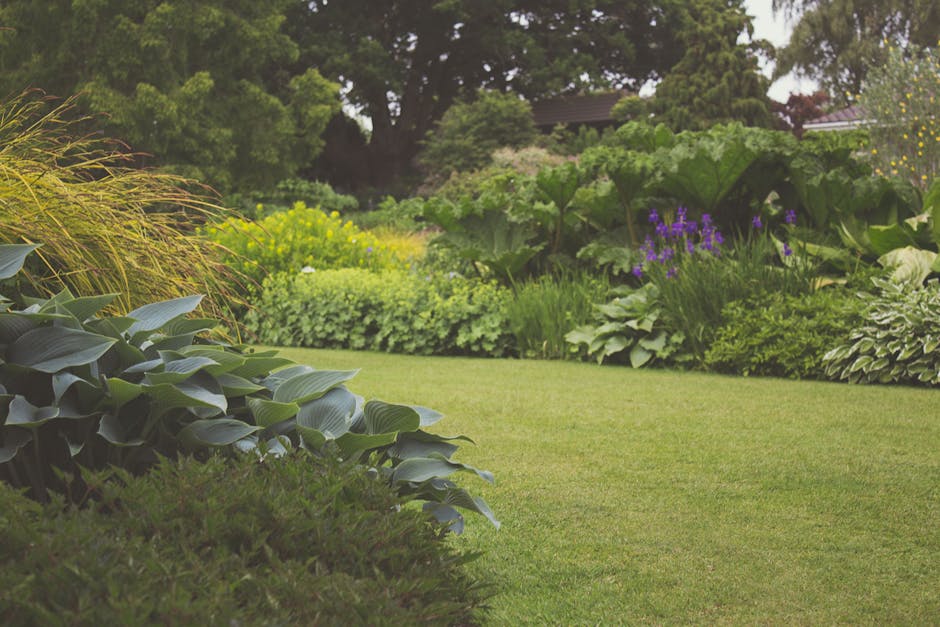
Lawn mowing is often the first task people notice when a garden starts to look untidy, but good grass care is not only about appearance. The height of the cut, the timing between visits and the way the edges are finished all affect the final result. A neat lawn can help the rest of the garden feel organised, particularly when it sits alongside beds, paths and borders that are also being managed.
Different lawns call for different approaches. Some are compact and straightforward, while others have awkward corners, narrow strips or changes in level that need more careful handling. Our approach is to focus on the grass as it actually is, rather than assuming every garden fits the same routine. That may involve tidying the perimeter, removing clippings where appropriate and keeping the finish consistent across the available space.
If you are comparing mowing with wider outdoor care, it may help to combine services where that makes sense. A lawn visit can sit alongside hedge work or a general tidy, especially when the garden needs a complete refresh. You can read more about lawn mowing and then decide whether the work should be arranged as part of a broader maintenance visit or as a standalone service. A clear brief usually gives the best quotation.
Hedge trimming and plant shaping
Hedge trimming plays a major role in keeping gardens tidy, because growth can quickly affect boundaries, access and the overall shape of the space. A cut hedge gives structure to a garden and can help neighbouring planting look more deliberate. The work can range from regular light trimming through to more involved reshaping when growth has become uneven or particularly dense.
Plant shaping is not only about straight lines. Some gardens benefit from softer finishing, especially where shrubs and hedging are part of a mixed border rather than a formal boundary. Careful trimming can improve balance without taking too much away at once. That matters when plants have been left to grow for a while, because a cautious approach is often better than removing too much material in one visit.
For more detail on this type of work, see our hedge trimming page. It may also be useful to combine boundary work with general garden maintenance, particularly where hedges sit near lawns or planting beds that need attention too. If you are not sure whether a hedge is best handled as a standalone task or as part of a wider tidy, ask for a quotation and describe the areas that matter most.
Garden clearance for overgrown spaces
Garden clearance is suited to outdoor areas that have become cluttered, overgrown or difficult to use. This can include the removal of dense plant growth, unwanted garden waste, fallen material and general debris that has built up over time. The purpose is not just to clear visible mess; it is to restore usable space and make the garden easier to assess for future care.
Clearance work is often more involved than routine maintenance because the garden may need to be approached in stages. Thick growth, awkward access and mixed waste can all affect the order of work. In practical terms, that means deciding what should be removed, what should be cut back and what should be left in place. A sensible clearance plan usually starts with the worst-affected areas and then works through the rest of the space.
If the garden needs a serious reset, our garden clearance service explains how that work is handled. In some cases, a clearance is followed by maintenance or landscaping so the space does not simply drift back into the same condition. A simple list of priorities is often enough to begin, and then you can request a quotation when you are ready.
Landscaping and layout improvements

Landscaping is a useful option when the aim is to do more than maintain an existing garden. It can involve changing the layout, improving usable areas, refining borders or introducing features that make the space feel more coherent. Some projects are modest and practical; others are more extensive and designed to alter how the garden works from one end to the other. The scope depends on what needs improving and how the outdoor space is currently arranged.
Good landscaping starts with the structure of the garden. Where are the main routes through the space? Which areas are too shaded, too open or difficult to maintain? What needs to stay, and what could be reshaped? These questions help define whether the work is mainly decorative, functional or a mixture of both. It also helps to think about how new features will sit beside existing planting, lawn areas or boundaries.
You can explore this in more detail on our landscape gardening page or view the broader landscaping service. If you are planning both routine care and a layout change, it is often worth setting out the whole picture at the start so the quotation reflects the real task. For many customers, that is the simplest route to a practical plan.
Decking and outdoor structure care
Decking can be a valuable part of a garden because it creates a defined surface for sitting, moving and arranging other outdoor elements. It also needs the right kind of care if it is to remain usable and presentable. Our decking-related work is focused on supporting that structure as part of a wider garden service, with attention to the surrounding planting, edges and general presentation of the space.
Where decking sits beside lawns or borders, the finish around it matters almost as much as the boards themselves. A tidy perimeter helps the whole area feel looked after, while any surrounding overgrowth can make the deck appear smaller or less inviting. In practical terms, the best results usually come from considering decking as part of the full garden rather than as an isolated feature.
To see the service in more detail, visit our decking services page. If the deck is part of a larger refresh, it may also make sense to combine this with general landscaping or maintenance so the outdoor space works together. Keep your outline brief but specific, and then ask for a quotation when you are ready to compare options.
Tree and taller growth work
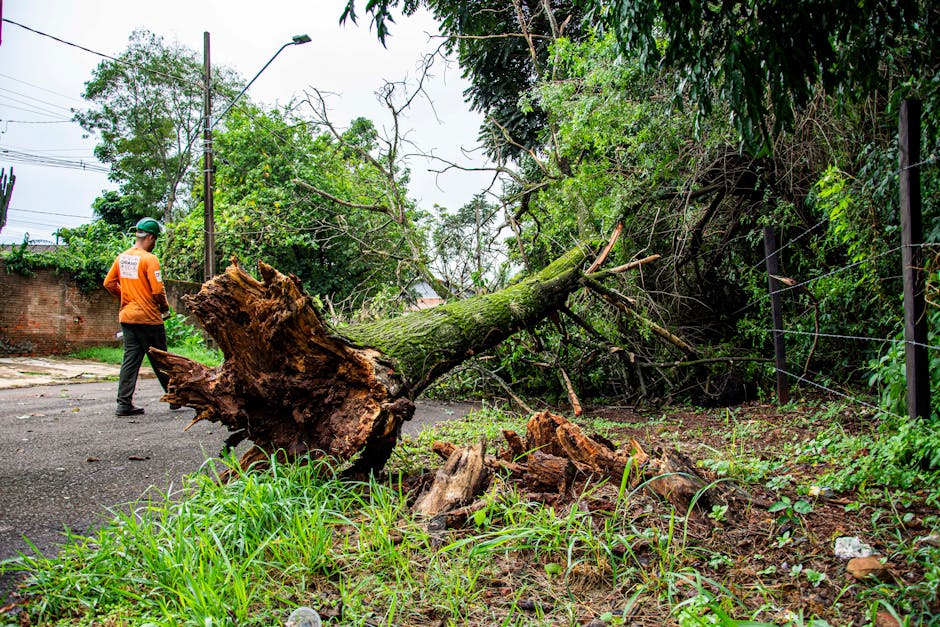
Some gardens need attention above head height as well as at ground level. Tree lopping and removal can be part of that work when branches are causing crowding, blocking light or creating a maintenance problem. The exact response depends on the size, placement and condition of the tree or larger growth, as well as how much surrounding space is available for the work to be carried out properly.
Jobs involving taller growth often need a more cautious approach than routine tidying. The shape of the canopy, nearby planting, fences and access all affect how the work should be planned. In many gardens, the goal is not simply to remove material but to restore balance, improve clearance and prevent the area becoming too dominant. Careful planning matters here more than speed.
For a focused description of this service, see tree lopping and removal. Where a tree job leaves a lot of material behind, it may be sensible to follow it with clearance or maintenance so the rest of the garden is brought back into order. A short description of the problem and its position in the garden is usually enough to begin.
How we approach quotations and planning

A useful quotation starts with a clear understanding of the work. That does not have to mean a long explanation, but it does help to mention the areas involved, the current condition of the garden and whether you are looking for one-off work or recurring visits. Where possible, it is also helpful to note any access considerations, boundaries, or items that should be left alone. These details make it easier to suggest the right scope.
In practice, the quotation process is usually simpler when the job is broken into priorities. You might want the lawn sorted first, then hedges, then a clearance or landscaping task after that. If so, state the order that matters to you. For more substantial work, a few photographs or a quick written inventory can be useful, but only if they help explain the task rather than replace a clear description. Specificity is more useful than length.
If you want to understand the commercial side before moving forward, our pricing and quotes page is a good place to start. You can also use the contact us page when you are ready to send the details through and ask for a quotation. A concise summary is enough, and then we can look at the most suitable service route.
Why a structured garden plan helps
Many outdoor areas benefit from a plan that combines different types of work rather than treating each task separately. For example, trimming a hedge can improve light and access, mowing can sharpen the overall finish, and clearance can reveal the features that matter most. When the tasks are considered together, it is often easier to decide what to do first and what can wait until a later visit.
That said, not every garden needs a large-scale programme. Some spaces only need a short refresh, especially if the boundaries are already defined and the main issue is loss of neatness. Other gardens have layered needs: one area may be overgrown, another may simply need routine care, and a third may be ready for layout improvement. The value of a structured plan is that it keeps the work proportionate to the garden rather than overcomplicated.
For an overview of the service range, the services overview page can help you see how the different tasks fit together. If you are deciding between maintenance and a bigger change, the best next step is to choose the priority area and then request a quotation. That usually gives you a clearer path than trying to solve everything at once.
About Yiewsley
Yiewsley is a locality in the London Borough of Hillingdon, in west London, with a long association with the waterways, railways and suburban growth that shaped much of the area around Heathrow and the Colne Valley. It sits close to West Drayton and forms part of a wider district where the Grand Union Canal and the River Colne have influenced movement, trade and land use for generations. The canal corridor remains one of the area’s most recognisable features, linking industrial heritage with later leisure and residential use. Yiewsley has also been shaped by nineteenth- and twentieth-century development, especially after the arrival of the railway, which helped it evolve from a more rural settlement into a more built-up suburban place. Its street pattern and mixed housing reflect that gradual change, with older local centres sitting alongside later residential streets and commercial premises. The nearby Colne Valley gives the district a greener edge, while the wider borough provides parks, open land and a network of local centres that connect Yiewsley to surrounding parts of west London. The area’s identity is therefore both practical and layered: a local centre with transport links, canalside character and a strong relationship to the suburban landscape around it.
Ongoing care for every season
Gardens change through the year, and the type of work required can change with them. Spring often brings new growth that benefits from mowing and trimming, while summer can demand more regular attention to keep lawns and borders in shape. Later in the year, there may be more clearance work, cut-back tasks or preparation for a quieter season. A flexible approach is often the easiest way to keep the garden under control without overdoing any one visit.
We can help with one-off tasks or recurring work, depending on what the garden needs now. Some customers want a practical reset, others want a manageable routine, and many need something in between. The most useful starting point is to identify the main problem area, then decide whether the job is best handled as maintenance, clearance, trimming, landscaping or a combination of these. That keeps the work focused and easier to quote for.
To get started, request a quotation with a short description of the work and the main areas involved. If you would like to review the detail first, the about us page gives more context about the business, while the contact page is available when you are ready to send your enquiry. We aim to keep the process straightforward from first request to agreed scope.